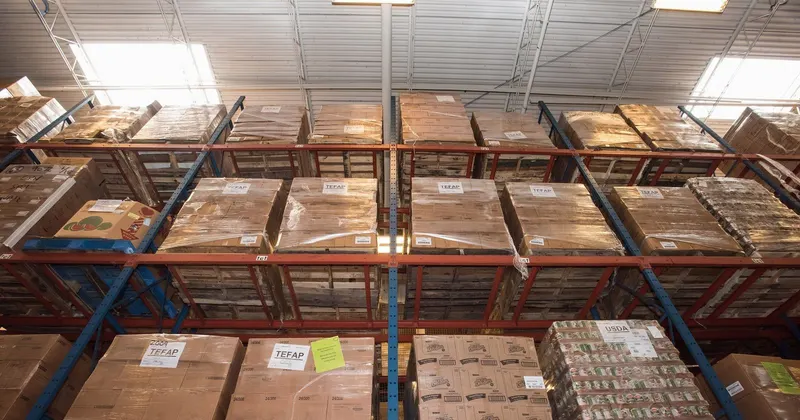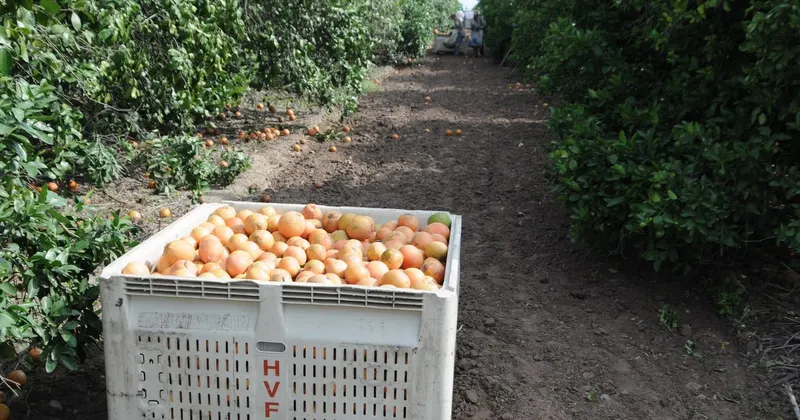
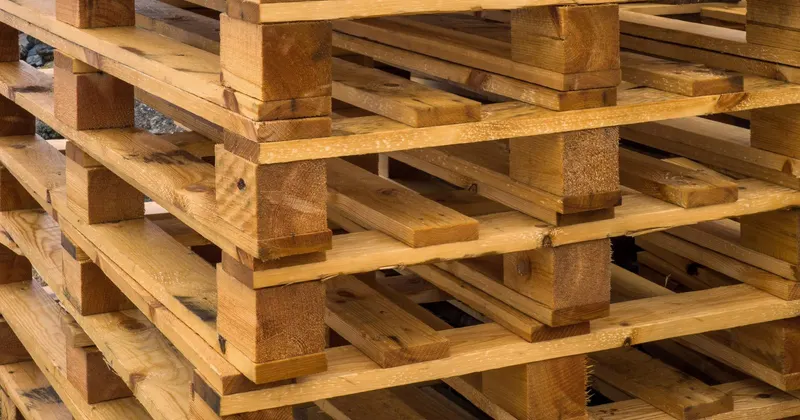
Field crates and pallets never appear on a sales invoice, yet they are bought, hired, broken and, above all, lost. They leave the warehouse for the farms, come back full, are sent out again and, by the end of the season, nobody knows how many are where. This article suggests an orderly way to control them, so that the packaging balance stops being an annual argument with your growers.
Why money is lost on packaging
The problem is rarely theft; it is usually a lack of records. Some typical situations:
- A grower takes away empty crates in a hurry and nobody notes it down.
- Fruit arrives in crates belonging to another grower or another company, and they get mixed up.
- Pallets leave with the customer's shipment and don't come back, or fewer come back.
- Broken crates are thrown away without being written off.
- At the end of the season a physical count is done that doesn't tally with anything, and the difference ends up being shared out "by eye".
Each of these losses is small, but with thousands of movements per season they add up. And if you work with hired packaging, whatever isn't returned gets paid for.
What you should keep track of
| Type | Movements to record | Who is responsible |
|---|---|---|
| Own field crates | Empties out to the grower, full crates in with the fruit, write-offs for breakage | Each grower, for their own balance |
| Hired or third-party packaging | Receipt from the supplier, use, dispatch with the shipment, return | The marketing company towards the supplier; the customer if they take it away |
| Pallets | Out to the field, in with the fruit, out with the shipment, return | Grower, haulier or customer, depending on the case |
| Packing materials (punnets, retail boxes) | Purchase, consumption in each packing run, stock | Warehouse |
The key is to treat field crates and pallets for what they are: stock that is spread between the warehouse and third parties. Each grower has a balance at all times, just as they have a balance of fruit delivered.
A simple procedure
- Dispatch with a document. No empty crate leaves without a receipt: grower, date, type of packaging and quantity. If the grower signs it on the spot, even better.
- Intake counted on the delivery note. When the fruit arrives, the intake delivery note records the number of crates and the type of packaging on each line, as well as the weights. That way the return is recorded without an extra step.
- Live balance per grower. Crates out minus crates in gives what each grower has on their farm. That balance should be available at any moment, not only when the season closes.
- Justified write-offs. Broken or unusable crates are written off with the reason stated.
- Periodic reconciliation. From time to time, do a physical count in the warehouse and check it against the balances. Investigate differences while you can still remember what happened.
- Clear agreement. Agree in writing with your growers what happens to packaging not returned at the end of the season. If it is deducted, it should appear on their settlement as a separate item.
Hygiene and traceability of packaging
Field crates are in direct contact with the fruit. As well as counting them, it is worth knowing what condition they are in and where they come from:
- Define how and when reusable crates are cleaned, and record it.
- Don't mix packaging that has had other uses with packaging intended for fruit.
- Keep the supplier reference and batch of the materials that touch the product (punnets, film, retail boxes). If there is ever an incident with a material, you will know which shipments contained it.
Pallets, a case apart
Pallets travel in more directions than field crates: they go out to the farms, come back with the fruit, are reused in packing and leave on the customer's lorry. That is why it is worth following a few specific guidelines:
- Distinguish types and owners. Your own pallet is not the same as a hired one or one belonging to a customer. Each type needs its own account.
- Note the pallets on every shipment. How many and of what type leave on each lorry. This is the data you need to claim their return or invoice for those that don't come back, as agreed with the customer.
- Record the return with the haulier. When the lorry comes back with empty pallets, someone should count them and get it signed.
- Check their condition. A broken or dirty pallet must not return to the packing line; write it off or set it aside.
With this data, every week you can know how many pallets you have in the warehouse, how many are in the field and how many are with customers and hauliers.
Common mistakes
- Keeping packaging in a separate notebook. If the balance isn't fed by the same delivery notes as the fruit, it will never tally.
- One single type of packaging for everything. If you have crates of different sizes or materials, each type needs its own balance.
- Not recording the pallets on shipments. They are the ones that disappear most easily.
- Waiting until the end of the season. A balance of hundreds of crates in September is impossible to claim; one of twenty in March is settled with a phone call.
- Not showing the balance to the grower. If they see it on every delivery, the end-of-season argument disappears.
How Agrocom solves it
Agrocom has a packaging dispatch section to keep complete control of the packaging that goes out to growers. The intake delivery notes, signed by the grower on the tablet, record the crates, the packaging and the weights on each line, and cost-breakdown movements are managed with their receipts, also from the tablet.
Stock control follows the movements of each item from purchase to final destination, and traceability extends to the materials in contact with the fruit. You can find it in traceability and labels. And the grower settlements are based on those same intake delivery notes, with each grower's income and expenses in plain view.